
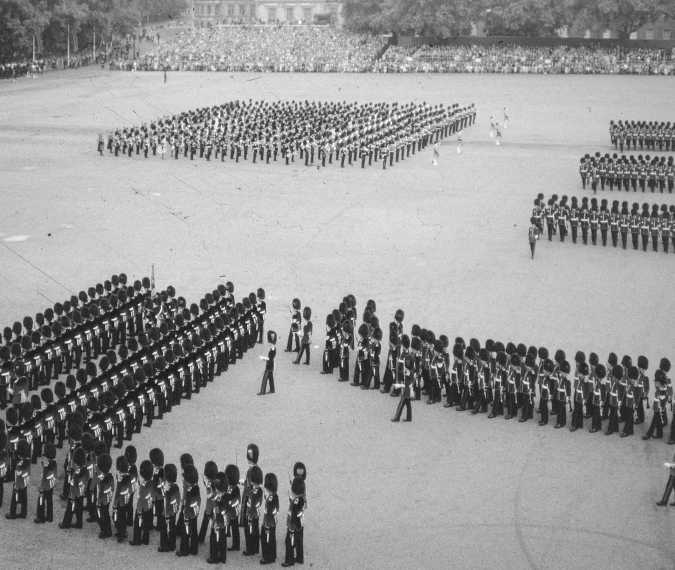
Major UK conscription update as Brits aged up to 65 to fight in WW3
Proposals to raise the recall age for some former British military personnel have prompted questions about whether civilians could be conscripted into a future war. But the measures concern people with prior military service, not a new requirement for the general public to join the armed forces.
The UK does not currently have conscription, and the government has said it has no plans to introduce it. Britain’s armed forces remain a professional volunteer force.
What would change?
The Armed Forces Bill includes reforms to the Strategic Reserve, a pool of former service personnel who can be required to return to duty in specified circumstances.
The proposals would extend recall liability to age 65 and bring arrangements across the services into closer alignment. They would also widen the circumstances in which recall can be authorized, allowing personnel to be recalled for preparations for warlike operations.
According to the House of Commons Library, the reforms are expected to take effect in spring 2027. Describing the increased age limit as an already implemented extension of civilian conscription therefore misrepresents both its purpose and its timing.
Does this mean anyone under 65 could be called up?
No. The proposed change applies to eligible former service personnel covered by reserve recall rules. Age alone would not make a civilian liable for military service under these measures.
The Ministry of Defense describes the reforms as a way to retain access to military skills and experience during a crisis. They are intended to increase the pool of trained people available to defense.
How does this compare with the Second World War?
Britain’s wartime conscription system was much broader. Limited compulsory military training began in May 1939, before the war began. In September, legislation extended compulsory service to men aged between 18 and 41, subject to exemptions.
Further changes followed in December 1941. Unmarried women and childless widows aged 20 to 30 became liable for call-up. Men up to 60 were required to undertake some form of national service, but military service applied to those under 51. This distinction matters: national service also covered work supporting civilian defense, rather than necessarily requiring frontline combat.
Those historical arrangements do not establish who would be conscripted in a future conflict. The current reserve proposals should be understood as changes to military preparedness—not an announcement that British civilians aged up to 65 will be sent to war.